
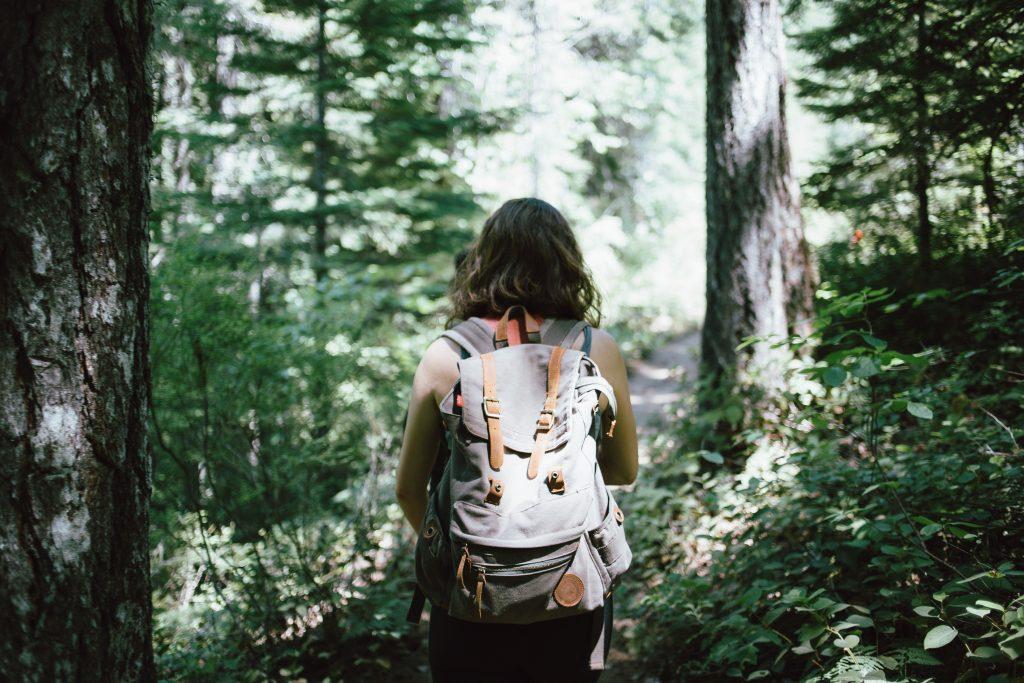
Embarking on a multi-day hiking adventure is an exhilarating experience that requires careful planning and preparation. Packing smart is crucial to ensuring that you carry everything you need without being weighed down by unnecessary items. In this article, we will discuss how to pack efficiently for a multi-day hiking trip while keeping your pack organized, light, and comfortable.
The Importance of Packing Smart
Packing smartly can make or break your hiking adventure. Carrying too much weight can lead to fatigue, injuries, and an overall less enjoyable experience. On the other hand, not having essential items can leave you unprepared for emergencies or changing weather conditions. Striking the right balance between weight and necessity is key to a successful trip.
Choosing the Right Backpack
Selecting a backpack is one of the most important decisions you’ll make when preparing for a multi-day hike. The right backpack will comfortably hold all your gear while distributing the weight evenly across your body.
- Capacity
Backpack capacity is measured in liters, and the size you choose will depend on the length of your trip and the gear you need to carry. For a 2-4 day trip, a 50-60 liter backpack is typically sufficient, while a 5-7 day trip may require a 65-85 liter pack. - Comfort and Fit
Look for a backpack with padded shoulder straps, a hip belt, and an adjustable torso length to ensure a comfortable fit. It’s a good idea to try on several backpacks with weight in them to see how they feel on your body. - Weight
Backpack weight is an important consideration, especially for longer trips. Opt for a lightweight backpack with a simple design to help minimize your overall pack weight.
Clothing and Layering
Dressing in layers is essential for staying comfortable during your hiking adventure. Layers can be easily added or removed to adapt to changing temperatures and weather conditions.
- Base Layers
Choose moisture-wicking, quick-drying base layers made of synthetic or merino wool materials to keep you dry and comfortable. - Insulation Layers
Insulation layers, such as fleece or down jackets, are crucial for trapping heat and keeping you warm in colder conditions. - Outer Layers
Waterproof and breathable outer layers, like a rain jacket and pants, will protect you from wind and precipitation. It’s important to have these layers readily accessible in your backpack.
Footwear and Socks
Choosing the right footwear is crucial for a comfortable hiking experience. Opt for hiking boots or shoes with good ankle support, traction, and waterproofing. Don’t forget to break them in before your trip to avoid blisters. Pair your footwear with moisture-wicking, quick-drying socks to keep your feet dry and comfortable.
Shelter and Sleeping Gear
Proper shelter and sleeping gear are essential for a comfortable night’s rest during your multi-day hike.
- Tent or Bivy Sack
A lightweight, easy-to-set-up tent or bivy sack is an important addition to your pack. Choose a shelter that is appropriate for the weather conditions you expect to encounter. - Sleeping Bag
A high-quality, lightweight sleeping bag rated for the temperatures you’ll experience is a must. Down or synthetic insulation options are available, with down being the lighter choice but less effective when wet. - Sleeping Pad
A sleeping pad provides insulation and cushioning from the ground, ensuring a more comfortable sleep. Choose between foam, self-inflating, or air pads based on your personal preferences and weight considerations.
Cooking and Eating Equipment
A lightweight stove, fuel, and cookware are necessary for preparing meals during your trip. Additionally, pack a reusable eating utensil and lightweight, collapsible food container. Remember to bring a small sponge and biodegradable soap for clean-up.
Food and Hydration
Planning your meals and ensuring adequate hydration are essential for maintaining your energy levels during your hike.
- Meal Planning
Opt for lightweight, non-perishable, and calorie-dense foods. Dehydrated meals, energy bars, and trail mix are popular choices for multi-day hikes. - Water Treatment
Carry a reliable water treatment method, such as a water filter, purification tablets, or a UV sterilizer, to ensure you have access to clean drinking water throughout your trip.
Navigation and Communication
Pack a detailed map and compass for navigation, even if you’re using a GPS device. It’s also wise to carry a fully charged smartphone with a portable charger and a satellite communicator or personal locator beacon for emergency situations.
First Aid and Emergency Supplies
A well-stocked first aid kit and emergency supplies like a whistle, a fire starter, and a headlamp with extra batteries are essential for any multi-day hiking adventure.
Hiking Essentials
Other must-have items include a multi-tool, sunglasses, sunscreen, insect repellent, and a hat. It’s also a good idea to pack a lightweight towel and biodegradable toilet paper for personal hygiene.
Packing Tips and Techniques
Proper packing techniques can make a significant difference in your hiking experience.
- Efficient Packing
Pack heavy items close to your back and center them vertically to improve balance. Place less frequently used items at the bottom and essentials at the top or in easily accessible pockets. - Keeping Your Pack Organized
Use dry bags or zippered pouches to organize and compartmentalize your gear, making it easier to find items when needed.
Leave No Trace Principles
Always practice Leave No Trace principles by packing out all your trash, minimizing your impact on the environment, and respecting wildlife and other hikers.
Conclusion
Packing smart for a multi-day hiking adventure is essential for a safe and enjoyable experience. By selecting the right gear, organizing your backpack efficiently, and following Leave No Trace principles, you can ensure a successful and memorable trip. Remember that preparation is key and that your packing choices can significantly impact your overall experience.
FAQs
Q: How much should my backpack weigh for a multi-day hiking trip?
- A: As a general rule, your backpack should not exceed 20-30% of your body weight. Lighter packs will allow you to hike more comfortably and reduce the risk of injury.
Q: How can I reduce my pack weight without sacrificing essential items?
- A: Choose lightweight gear, opt for multi-use items, and consider sharing equipment with your hiking partners. It’s also important to be selective about the items you pack and only bring what’s necessary.
Q: How do I properly adjust my backpack for a comfortable fit?
- A: Adjust the shoulder straps and hip belt so that the weight is evenly distributed across your body. The majority of the weight should rest on your hips, not your shoulders. Fine-tune the load-lifter straps and sternum strap for added comfort and stability.
Q: What kind of food should I pack for a multi-day hiking trip?
- A: Opt for lightweight, non-perishable, and calorie-dense foods. Dehydrated meals, energy bars, and trail mix are popular choices. Plan your meals in advance and pack only the food you need to minimize weight.
Q: How much water should I carry while hiking?
- A: The amount of water you should carry depends on factors like temperature, altitude, and your personal hydration needs. As a general rule, aim to carry 2-3 liters of water per person per day. It’s crucial to have a reliable water treatment method to replenish your supply along the way.